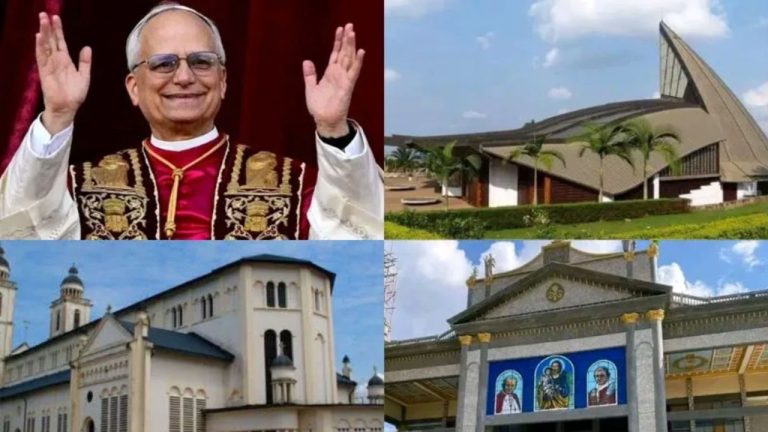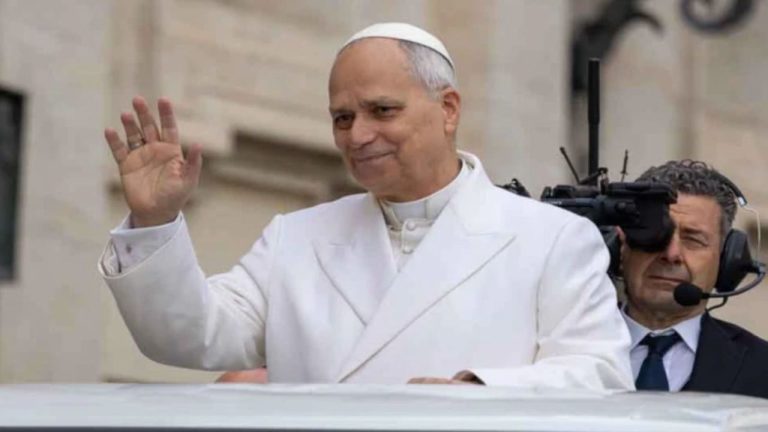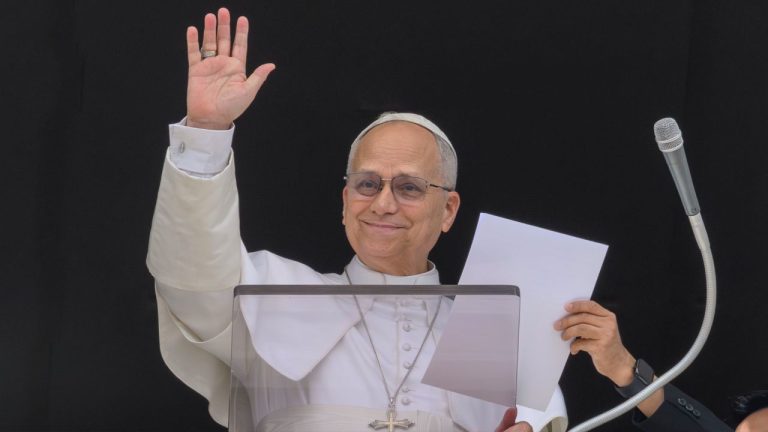


VATICAN CITY – In a move that underscores the growing importance of the African continent to the global Church, the Holy See has officially announced that Pope Leo XIV will undertake a historic 11-day apostolic journey to four African nations this April. From April 13 to 23, 2026, the Holy Father will visit Algeria, Cameroon, Angola, and Equatorial Guinea, marking his first pastoral visit to the continent as Pontiff. This journey, described as a pilgrimage of peace, memory, and solidarity, will see the Successor of Peter encountering diverse cultures and addressing some of the most pressing challenges of our time.
A Historic First in Algeria: The Legacy of Saint Augustine
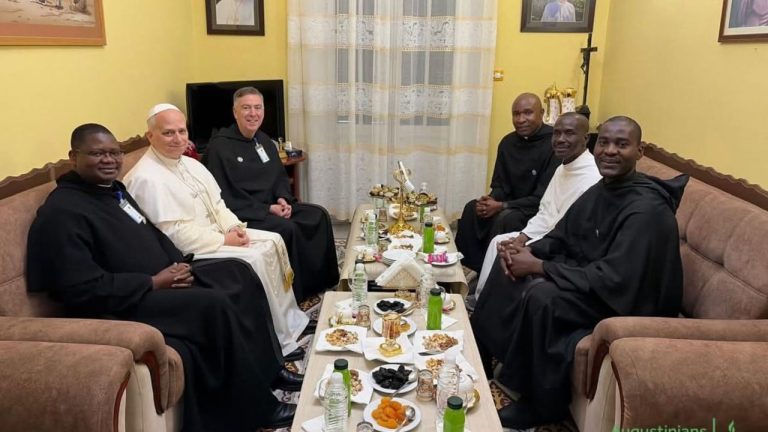
The journey begins in Algeria (April 13–15), marking the first-ever papal visit to this majority-Muslim nation. This stop is deeply symbolic, as it is rooted in the legacy of Saint Augustine, the Bishop of Hippo, who was born in what is now modern-day Algeria. Pope Leo XIV, who belongs to a religious order inspired by the great Doctor of the Church, will visit Algiers and Annaba (ancient Hippo) to strengthen “fraternity” and bring comfort to the small but resilient Catholic community. In a nation where Christians have faced significant challenges, including church closures, the Pope’s presence is seen as a “game-changer” for interfaith dialogue and religious freedom.
A Mission of Peace in Cameroon
From April 15 to 18, the Holy Father will travel to Cameroon, where his visit will take on a profound humanitarian dimension. A major focus will be the Anglophone crisis in the Northwest and Southwest regions, which has been embroiled in a decade-long conflict. By visiting Bamenda, the heart of the strife, the Pope aims to advocate for reconciliation and an end to the “senseless massacres” that have plagued the region. His message of peace will be directed not only to the faithful but to all Cameroonians, highlighting the Church’s vital role in education and social outreach amidst national internal strife.
Spiritual Renewal in Angola and Equatorial Guinea
The third leg of the journey (April 18–21) takes the Pope to Angola, a nation with one of the fastest-growing Catholic populations in Africa. In Luanda, Muxima, and Saurimo, the Holy Father will encounter a Church that is a “blessing to the whole of Africa,” representing unity and spiritual renewal.
The final leg (April 21–23) will be a historic return to Equatorial Guinea, the only Spanish-speaking African nation. This marks the first papal visit in 44 years, since Saint John Paul II’s historic journey in 1982. President Teodoro Obiang Nguema Mbasogo has pledged an “apotheosic” welcome, while Bishop Juan Domingo-Beka Esono Ayang has called the visit a “moment of grace and joy” for a people who have waited decades to receive the Successor of Peter.
| Destination | Dates | Key Focus Areas |
| Algeria | April 13–15 | First papal visit, St. Augustine’s legacy, interfaith fraternity. |
| Cameroon | April 15–18 | Peace mission in Bamenda, Anglophone crisis reconciliation. |
| Angola | April 18–21 | Rapid Church growth, spiritual unity, Marian devotion at Muxima. |
| Equatorial Guinea | April 21–23 | First visit in 44 years, Spanish-speaking African identity. |
A Spiritual Resolution: Reclaiming the Interior Sanctuary
As we reflect on the Holy Father’s upcoming journey to bring the light of Christ to the African continent, let us be moved to reclaim the “interior sanctuary” of our own souls. Let us turn to the Sacrament of Confession, seeking the grace to cleanse our hearts of all that is not of God, especially the divisions and animosities that can arise in our own lives. Let us spend time in Eucharistic Adoration, finding in the silence of Christ’s presence the peace that the world cannot give.
The Holy Rosary is a powerful instrument for peace and unity; let us pray it daily for the success of the Pope’s apostolic journey and for all nations facing conflict and hardship, asking for the guidance of the Holy Spirit upon leaders and citizens alike. Through active participation in the Holy Mass and the devout reception of the Eucharist, we are united in the one Body of Christ, which transcends all boundaries. Finally, let us immerse ourselves in Sacred Scripture, finding in the Word of God the true foundation for justice and the common good.
To remain informed about Catholic life, teachings, and global Church developments, readers may be encouraged to visit www.ewtnvatican.com for trusted Catholic news and resources.