

ABUJA, Nigeria – In a searing indictment of the “relentless wave of killings and abductions” that has gripped the nation, the Catholic Secretariat of Nigeria (CSN) has issued a profound call for justice, warning that the country is being transformed into a “field of grief.” The statement, released on February 7, 2026, by the administrative headquarters of the Catholic Bishops’ Conference of Nigeria (CBCN), underscores a deepening moral and security crisis that threatens the very foundations of the West African state.
The CSN Secretary General, Fr. Michael Banjo, and the National Director of Social Communications, Fr. Michael Nsikak Umoh, expressed “profound outrage and sorrow at the ongoing assault on human life and dignity.” Their message, titled “The Cry of the Innocent: Stop this Slaughterhouse in Nigeria!”, reflects the weariness of a citizenry that has received years of “empty condolences” in place of concrete safety.
A Massacre Allowed by Silence
The Catholic officials highlighted a series of recent atrocities that have shocked the conscience of the nation, painting a grim picture of a country under siege. These events underscore a broader, deeply concerning trend: Nigeria accounts for a staggering 70% of all Christians killed for their faith worldwide, according to Open Doors’ World Watch List 2025. Between late January and early February 2026, a series of brutal attacks unfolded across Nigeria. On February 3, a coordinated assault by suspected Boko Haram militants or religious hardliners in Woro and Nuku villages, Kwara State, resulted in the slaughter of at least 170 innocent civilians. Eyewitnesses reported that gunmen rounded up residents, bound their hands, and shot them, subsequently torching homes and shops. This horrific event was followed by similar atrocities, including the killing of at least 21 people in Katsina State on the same day, where gunmen moved from house to house executing victims. Additionally, repeated killings and abductions plagued Agwara and Tungan Gero in Niger State, farming communities in Katsina and Kaduna faced devastation, and violence continued unabated in Borno. Just days later, on February 7, a Catholic priest and ten others were abducted, and three people killed, during an attack on Holy Trinity Parish in Kaduna State’s Kafanchan Diocese.
“This is not ‘instability’ but a massacre allowed by silence and a betrayal of every Nigerian’s right to live in peace,” the CSN officials stated. They reminded the political class that the Constitution is a “binding covenant with the people,” and that a government failing to safeguard its citizens risks losing its “moral authority to lead.”
A Call for Strategic Action
The CSN has renewed its call for the Federal Government to urgently revise its security strategy. Their demands are clear and uncompromising, echoing a consistent plea from the Church for effective governance and protection of its citizens:
- Strategic Redeployment: Security forces must be moved from “ceremonial press centers” to the actual frontlines where communities are under siege, ensuring a visible and effective presence where it is most needed.
- End to Impunity: Authorities must identify, expose, and prosecute the sponsors and enablers of terror. “Impunity is nothing less than a license for further bloodshed,” the statement warned, emphasizing that justice is a prerequisite for peace.
- Victim Support: The government must provide urgent relief, psychosocial care, and compensation to the families of victims, while rebuilding destroyed communities to restore dignity to the indigenes. This holistic approach recognizes the profound trauma inflicted by such violence.
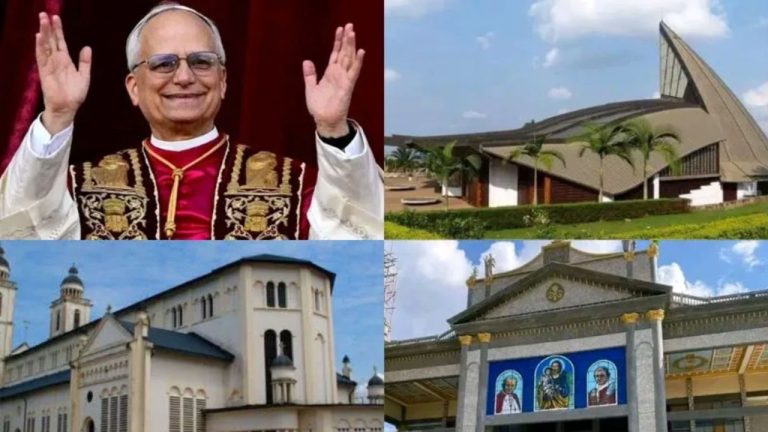
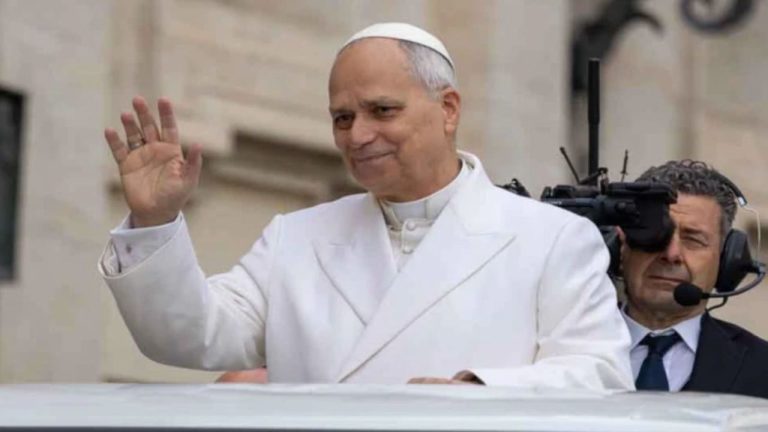
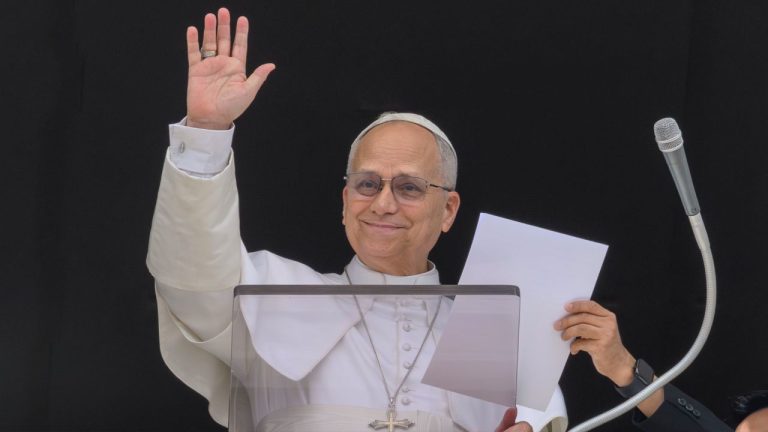
Adding to the Church’s voice, Pope Leo XIV himself condemned the ongoing violence in Nigeria on February 8, 2026, following the attacks, calling for an end to the bloodshed. This papal intervention underscores the global concern for the plight of Nigerians and the urgent need for a resolution to the crisis.
The Catholic Priests also recalled Nigeria’s international obligations as a signatory to the Universal Declaration of Human Rights and the African Charter on Human and Peoples’ Rights, both of which affirm the right to life as “fundamental and non-negotiable.”
Standing in Solidarity
“Nigeria stands at a crossroads. We cannot allow mass graves to define our national story,” the officials lamented. They appealed to all leaders—political, religious, and community—to rise above divisions and work together to restore peace. To the people of Nigeria, they offered a message of solidarity, urging them to reject hatred and violence.
As a people of faith, the CSN entrusts the nation to God’s mercy, praying for healing, justice, and reconciliation. The blood of the innocent, they believe, must compel the nation to act with sincerity, courage, and compassion.
A Spiritual Resolution for a Nation in Crisis
In these moments of profound suffering and injustice, the Church calls all faithful to a deeper spiritual engagement. We are invited to seek solace and strength in the Sacrament of Confession, where the healing mercy of God can console our troubled hearts. Let us spend time in Eucharistic Adoration, bringing our prayers and petitions before the Blessed Sacrament, the true presence of Christ, who suffered for us. The Holy Rosary offers a powerful means of intercession, uniting our prayers with those of the Blessed Mother for peace and justice in Nigeria. Through active participation in the Holy Mass and reception of the Eucharist, we are strengthened by the Body and Blood of Christ, becoming instruments of His peace. Finally, let us immerse ourselves in Sacred Scripture, finding in God’s Word the enduring promise of hope and the call to be peacemakers.
To remain informed about Catholic life, teachings, and global Church developments, readers may be encouraged to visit www.ewtnvatican.com for trusted Catholic news and resources.